
Therefore — you are responsible for ensuring the quality before placing your trust in any product.
Online searches for ”KPV quality brands” can resemble navigating through a labyrinth. This also implies that there is no regulatory agency verifying the quality of your vendor’s products on your behalf, highlighting the importance of batch COA verification. The same unethical players found in the broader peptide market are present in the KPV sector, albeit at more affordable prices.
Injectable KPV provides higher systemic levels for conditions affecting skin or other tissues. Oral capsules may have lower systemic bioavailability but can provide direct effects on the gut lining, making them popular for IBD and digestive issues. These mechanisms make it effective against various inflammatory conditions without immunosuppression. Educational overview on storage (labeling), and traceability considerations for lab environments. No published human trial in psoriasis, eczema, or any dermatologic indication. All evidence is preclinical, no human trial of KPV monotherapy has been published.
BPC-157 has more total published rodent studies as of 2026. BPC-157 has a broader rodent literature including angiogenesis and tendon healing data — while KPV’s rodent gut data is more specifically focused on colitis via NF-kB and cytokine pathways. Once reconstituted in bacteriostatic water, use within a few weeks and keep refrigerated at 2 to 8 degrees Celsius. As of mid-2026, no published placebo-controlled human RCT has been completed for KPV alone. Research suppliers sell it legally as a research compound for laboratory use only. Look for suppliers providing third-party HPLC purity certificates of 98% or greater and mass spectrometry confirmation of correct molecular weight , approximately 341.4 g/mol for free acid form,.
Questions

Most of the published research centers on the gut. KPV is sold as a research peptide, not an FDA-approved drug, so the burden of verifying quality falls entirely on you. The certificate of analysis tells you everything. KPV is a three-amino-acid fragment of a hormone your body already makes, and that simplicity is exactly why the market for it is so messy.
Researchers study the fragment on its own. If you’ve ever lost weeks to a reagent that didn’t give the desired results, bad paperwork could be the reason. Use the checklist (save the papers), and let the data set your expectations. So, keep your research plans anchored to what’s being published.
Comparison of Suppliers
If your business is ready to stock verifiable research peptides and you want batch documentation you can check before you buy, the Wholesale Partner Program application is the next step; the review process is built to confirm fit in both directions before either side commits. None of these are settled by reading a supplier’s website, including this one. Pricing in this industry is structured in tiers (unit price steps down as volume steps up), but the shape of those tiers varies enormously between suppliers, and so does the minimum that unlocks each one. A selection of verified suppliers by region, based on documentation transparency (certificates of analysis), batch traceability, and shipping reliability.
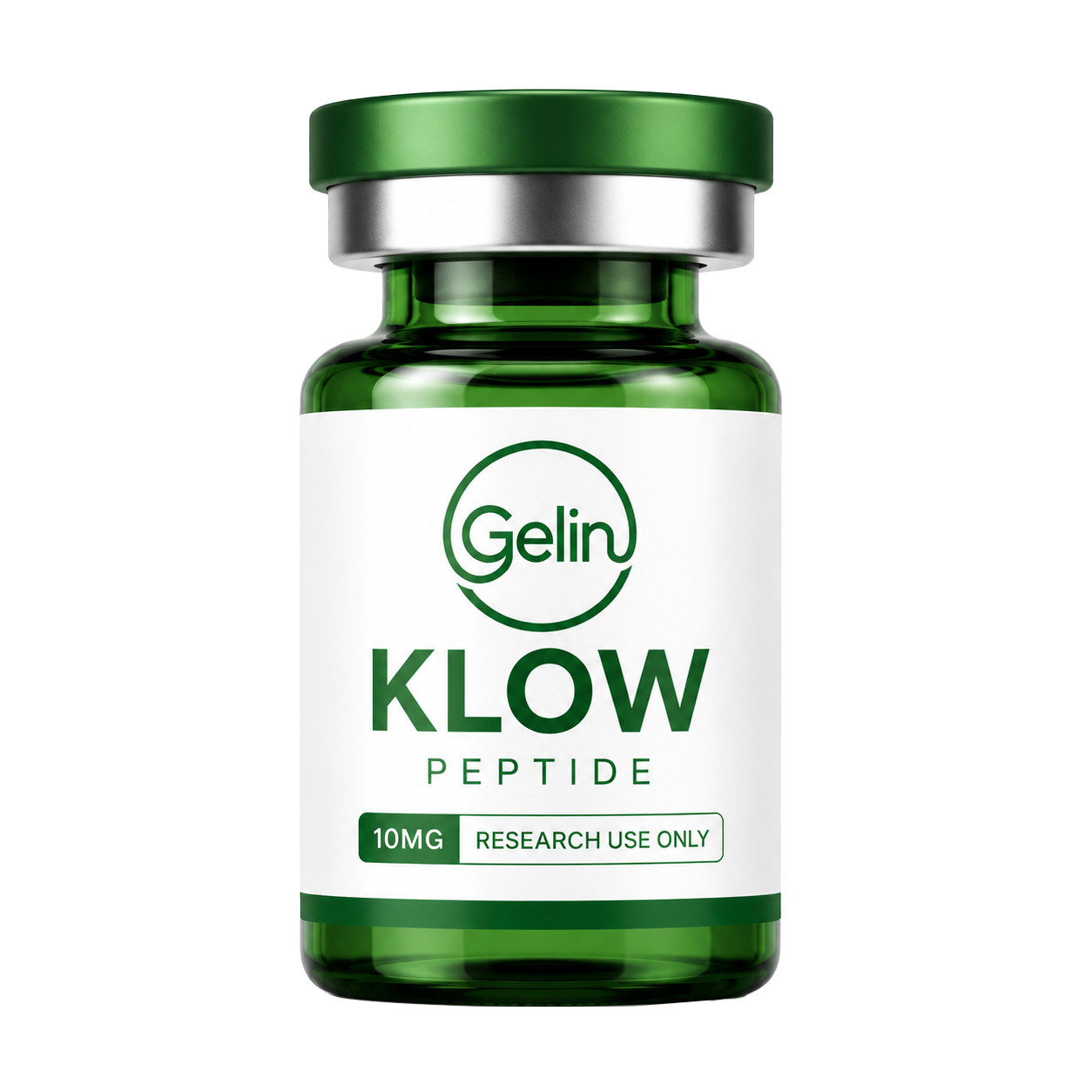
One of the best-characterized mechanisms involves PepT1 (SLC15A1), a proton-coupled oligopeptide transporter capable of transporting KPV into cells. Instead, experimental studies have identified mechanisms that are predominantly melanocortin-receptor-independent involving cellular uptake and intracellular regulation of signaling pathways. This product is not a drug, food, or cosmetic and may not be misbranded, misused or mislabeled as a drug, food or cosmetic.
US-Based Support
Because KPV is cheap to produce, mid-market pricing should still deliver high-purity product, there is no ”premium tier” worth paying for on a tripeptide. At EZ Peptides today (with its code), the 10mg vial is $39.60; monthly cost is the 10mg vial count below times that price. If you see KPV list-priced at less than $2.50/mg on a 10mg vial, that is a red flag. If you’re shopping for KPV for sale, the market is small and the pricing is simple. It is one of the very few peptides in the research market that works orally — because it hitches a ride through the gut via the PepT1 di/tripeptide transporter. Most published KPV research focuses on its anti-inflammatory activity, especially in the gut, where it has reduced inflammation in colitis models via the PepT1 transporter.
For acute inflammation some people notice changes within days to a couple of weeks, while chronic gut or skin problems may take several weeks to a few months of consistent use. Supplement-style oral capsules, patches and topical KPV products are sold direct to consumer by brands operating under dietary supplement rules. In the gut context the common framing is that KPV reduces inflammation while BPC-157 supports tissue repair. Supplement-style oral and topical KPV products are sold under a separate regulatory framework.
Our core values guide everything we do, including standards that ensure the quality and trustworthiness of our content and editorial processes. In a study of 2,539 adults, once-weekly tirzepatide reduced body fat mass by 34% on average within 72 weeks. And researchers studying KPV point to the need for human research. These types of suppliers skirt regulations by marketing and selling KPV as a peptide for “research purposes,” which calls out that use of KPV is currently experimental.
KPV has been used in cellular models to investigate NF-κB signaling, including activation of the transcription factor and nuclear localization of its p65/RelA subunit. Other experimental systems have reported interactions with melanocortin-related signaling, so the precise mechanism can depend on the cell type and experimental conditions. One proposed mechanism involves KPV accumulating in the nucleus and interfering with the interaction between p65/RelA and importin-α3, thereby affecting the nuclear transport step required for NF-κB signaling.
KPV is sold by licensed research chemical suppliers and compounding pharmacies in the US. The following reflects published rodent and in vitro research only. If the COA says ”TFA salt” and no conversion is noted, the actual free peptide per vial is less than the labeled amount. A reputable supplier will either convert to an acetate salt or clearly disclose TFA content so you can account for it in dosing calculations.
A later study using a slightly different form of KPV could not reproduce these results, so the antimicrobial benefits are less certain than the gut and skin data. Lab studies show KPV can kill staph and candida at very low concentrations, and one study reported over 90% of MRSA killed within 15 minutes. If you are chasing anti-aging or collagen support instead, GHK-Cu is the better pick. A wound healing study applied KPV to rabbit corneas four times daily. That use is early and anecdotal, but it fits the mechanism cleanly. Some kick off a cycle two to four weeks before allergy season to get ahead of the pollen, then hold a steady dose through it.
Although a ”four-in-one” label is simple to print, it is challenging to verify, and many vendors rely on your lack of scrutiny. For the majority of research budgets (KOI stands out as the best value), offering a documented HPLC purity alongside the lowest cost per milligram among the three options. All products from Simple Peptide designated as Research Use Only (RUO) are intended solely for laboratory and analytical research purposes. Such clarity enhances experimental designs that necessitate strict variable control and dependable repetition throughout various study phases. Our commitment lies in delivering information that is current (precise), and grounded in evidence-based research and studies published in peer-reviewed journals.